What is the difference between Surlyn®, balata, and urethane?
Surlyn® (manufactured by DuPont®) and urethane are the two main materials used in golf ball covers today. Surlyn®
is a synthetic, highly resilient, durable material that is used in the majority of golf balls in the industry. This material
provides for a golf ball that will stand up to the durability test that the avid golfer demands, while allowing many different
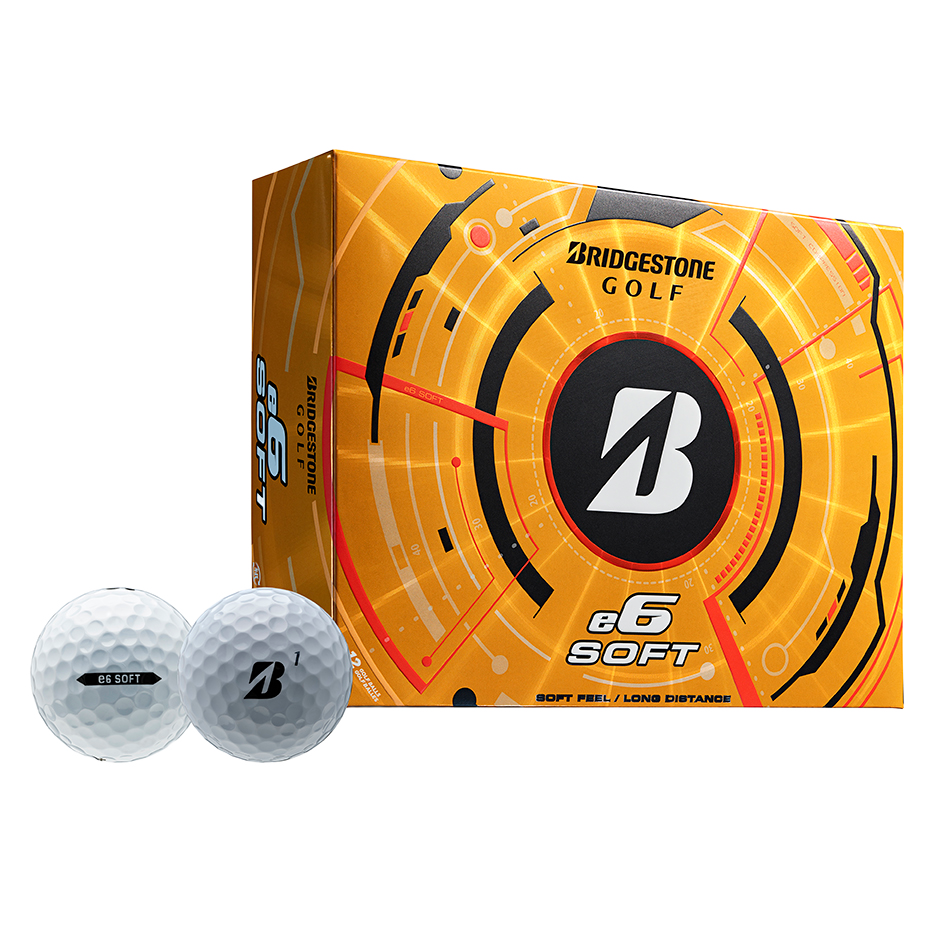
options for spin & distance combinations. For example, the e6 is a Surlyn®-covered golf ball that provides reduced side
spin and controllability. This versatile cover material in correlation with the core composition allows for the many variations
that are found throughout the entire line of Bridgestone golf balls.
Balata is the cover material associated with wound golf balls. While once a natural material, balata has since been replaced
by a synthetic material. Bridgestone Golf does not offer a balata-covered golf ball for two primary reasons. One is that
it is the least durable cover material available, and the second is because Bridgestone Golf believes that solid construction
provides a more consistent manufacturing process than wound construction. Many low-handicap amateurs and professionals prefer
the “feel” and “spin” that a wound, balata-covered golf ball provides. Many of those players believe that a solid ball cannot
provide the same feel that they receive in a wound ball.
Urethane is an extra-soft, synthetic material that provides high-spin performance and greater durability than balata. In
fact, urethane is softer than both Surlyn® and balata. This unique cover material in combination with Bridgestone Golf's
patented Core technology allowed us to develop the Tour B330 line of golf balls. These urethane-covered, solid core balls
provide optimum spin and soft feel while providing a more consistent performance alternative to their wound balata-covered
counterparts. Nick Price, Fred Couples and a host of others are currently using the Tour B330 line on tour.